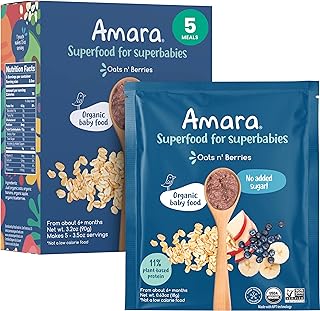
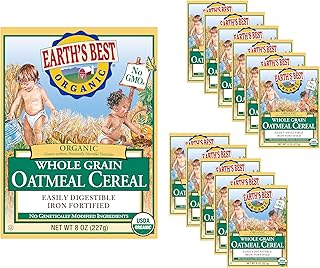
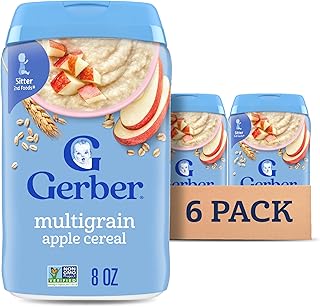
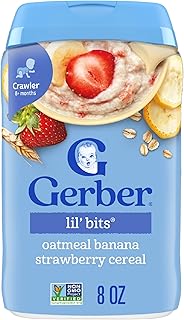
Premium Gerber Stage 1 Organic Oatmeal Cereal (6-Pack): Iron & Whole Grain Fortified
Gerber
- Stage 1: Perfect first solid food
- Organic whole grain oatmeal
- Fortified with Iron, Zinc, and B12
- Contains 14g of whole grains per serving
TOP 10 BABY CEREAL REVIEWS
Discover the best baby cereal of 2025. Expert reviews, comparisons, and buying tips to help you choose the perfect baby cereal, focusing on organic, whole grain, and iron-fortified options.
Introducing solids is a major milestone for babies, and baby cereal is often the first step in this exciting journey. Baby cereals provide essential nutrients, especially iron, which is crucial for healthy growth and cognitive development after six months when a baby's iron stores begin to deplete. Choosing the right cereal ensures your baby gets a gentle, easily digestible, and nutrient-dense start to solid foods.
Today's market offers a wide range of high-quality baby cereals, from traditional oat and rice varieties to those incorporating ancient grains and organic fruits. When selecting the best option, parents should prioritize iron fortification, whole grains for fiber, and minimal added sugars. Many top brands also offer organic and non-GMO certifications, providing peace of mind about ingredient quality. Furthermore, the ability to mix the cereal with breastmilk, formula, or water adds versatility to feeding time.
We have thoroughly researched and compiled a list of the top 10 baby cereals for 2025, featuring trusted names like Gerber, Earth's Best, Amara, and Holle. Whether you are looking for a Stage 1 single-grain option or a Stage 3 blend with fruits, our guide will help you navigate the choices, ensuring you find a nutritious and delicious cereal that supports your baby's rapid growth and development.

Gerber

Amara

Holle

Amara

Amara

Earth's Best

Gerber

Gerber

Nestle Nestum

Gerber
The quality of baby cereal is measured by its ingredients and nutrient profile. Look for cereals labeled organic, non-GMO, and free from artificial flavors or preservatives. The source of grains (e.g., whole grain oats, ancient grains) ensures higher fiber content and better digestibility. High-quality cereals are also rigorously tested for heavy metals and contaminants, offering parents peace of mind. Check for easy solubility when mixed with liquids; a smooth consistency is vital for first feedings, while older babies benefit from slightly chunkier, stage-appropriate textures.
Iron fortification is the single most critical feature, as babies need a reliable source of iron around six months. Look for cereals that provide 90% or more of the daily recommended value. Other essential features include added vitamins (like B12 and Zinc), and whole grains for sustained energy. Stage differentiation (Stage 1 for single-grain, Stage 2/3 for multi-grain/flavor blends) helps align the product with your baby's developmental needs. Finally, consider packaging—shelf-stable pouches like Amara are great for travel, while large canisters like Gerber offer bulk value.
Baby cereal pricing varies significantly based on ingredients (organic vs. conventional) and packaging (single-serve vs. bulk). While premium organic options like Holle or Amara may have a higher per-ounce cost, they often use superior ingredients. Bulk purchases, such as the 12-pack of Earth's Best or 6-packs of Gerber, offer excellent long-term value for frequent feeders. Evaluate the cost against the nutrient density and ingredient purity to determine the best overall value for your family's budget and preferences.
Choosing reputable brands like Gerber, Earth's Best, and Nestle Nestum ensures products adhere to strict safety and nutritional standards. Established brands often conduct extensive testing and provide clear labeling regarding allergens and nutritional content. While baby cereal doesn't typically come with a 'warranty,' brand reputation serves as a guarantee of quality and safety. Newer, specialized brands like Amara focus on innovative methods, such as retaining more nutrients by mixing with cold liquids, offering specialized benefits worth considering.
The best baby cereals in 2025 are those that prioritize iron fortification, whole grains, and organic ingredients. Top performers include the Gerber Stage 1 Organic Oatmeal for excellent nutrient density, Earth's Best Organic Whole Grain Oatmeal for bulk value, and Amara Stage 2/3 varieties for innovative whole-food, mix-in options. The 'best' choice depends on your baby's age and specific dietary needs, such as single-grain for first feeders or multigrain for older infants.
Choose based on your baby's developmental stage. Start with Stage 1 single-grain cereals (like plain rice or oatmeal) to check for allergies. Once tolerated, move to Stage 2 multigrain or flavored options (e.g., Gerber Multigrain Apple). Always ensure the cereal is iron-fortified, as this is the primary nutritional benefit. If possible, opt for organic, non-GMO options with minimal added sugars to maximize nutritional quality.
Often, yes. More expensive cereals, especially those certified organic (like Holle) or those using specialized dehydration methods (like Amara), often contain fewer processing additives, higher percentages of whole, non-GMO ingredients, and sometimes unique nutrients like ancient grains. While budget options are nutritious, premium products offer enhanced ingredient purity and sometimes better palatability, which can be worthwhile for sensitive babies.
Focus on iron content (should be high), whole grains (oatmeal, barley, quinoa), and the absence of artificial colors, flavors, and excessive sugar. For older babies, look for Stage 2 or 3 cereals that incorporate fruits or vegetables for flavor and texture, aiding the transition to table foods. The ease of mixing and dissolving is also a practical feature to prioritize.
Unopened, dry baby cereal typically lasts until the expiration date printed on the canister, usually 12-18 months. Once opened, it should be stored in a cool, dry place and used within 30 days to maintain freshness and nutrient integrity. For shelf-stable pouch options like Amara, follow the specific instructions on the packaging, which usually involves using the mixed cereal immediately.
Selecting the right baby cereal is a pivotal decision for supporting your infant's nutritional foundation. Our top picks for 2025 demonstrate a commitment to iron fortification, whole grains, and clean ingredients, whether you choose the reliability of Gerber's Stage 1 Organic Oatmeal or the innovative, whole-food approach of Amara's Stage 3 Ancient Grain cereal. Key takeaways include prioritizing iron for cognitive development and whole grains for fiber and sustained energy. Brands like Earth's Best offer excellent organic value in bulk, while specialized options like Holle provide pure, simple European-standard ingredients. By aligning the cereal's stage and ingredients with your baby's needs, you ensure a healthy start to solid feeding. Ready to transition your baby to solids with confidence? Explore our featured selection today and read the product details for the Gerber, Amara, and Earth's Best offerings. Click on the product links above to purchase the perfect nutrient-packed baby cereal that fits your child's stage and dietary requirements.