TOP 10 BEST AVIATION ELECTRONICS FOR BEGINNERS

Top Aviation Electronics Reviewed and Ranked for 2025

Discover the best aviation electronics of 2025. Expert reviews, comparisons, and buying tips to help you choose the perfect aviation electronics, covering everything from pilot logbooks and flight manuals to advanced electronic learning resources.

The field of aviation is inextricably linked with cutting-edge electronics, which serve as the backbone for navigation, communication, safety, and training. While the term 'aviation electronics' often conjures images of sophisticated cockpit instruments, it also encompasses the crucial printed and digital resources that pilots and enthusiasts rely on daily—from regulatory guides to essential learning manuals. Whether you are a seasoned aviator looking to stay current with the latest Federal Aviation Regulations (FAR/AIM), a student pilot meticulously tracking flight hours in a reliable logbook, or an electronics hobbyist aiming to understand the underlying principles of avionics, having the right resources is paramount.

Selecting the best aviation electronics—or the best supporting material—requires considering reliability, accuracy, and ease of use. A high-quality electronics text can demystify complex circuits, while an updated flight manual ensures operational safety and compliance. Our comprehensive guide reviews the top nine essential products in the aviation electronics and resource category for 2025. We focus on products that enhance knowledge, improve operational efficiency, and provide foundational electronic skills relevant to the aerospace industry. Dive in to find the perfect tools to advance your aviation career or passion.

01
Ultimate Guide: Practical Electronics for Inventors, Fourth Edition

Ultimate Guide: Practical Electronics for Inventors, Fourth Edition

McGraw Hill

4.7 (2,200 reviews)
  • Comprehensive coverage of analog and digital electronics
  • Ideal resource for inventors and hobbyists in related fields
  • Updated content reflecting modern electronic components and theory
  • Includes practical circuits and projects for hands-on learning
02
Electronics for Beginners: Schematics, Circuits, and Microcontrollers

Electronics for Beginners: Schematics, Circuits, and Microcontrollers

Apress

4.7 (335 reviews)
  • Step-by-step introduction suitable for absolute beginners
  • Focuses on practical application of schematics and circuits
  • Includes foundational knowledge for working with microcontrollers
  • Excellent starting point for understanding avionics concepts
03
ASA Standard Pilot Logbook (Navy Blue): Essential Flight Record Keeper

ASA Standard Pilot Logbook (Navy Blue): Essential Flight Record Keeper

ASA

4.7 (3,009 reviews)
  • Industry-standard format accepted worldwide by aviation authorities
  • Durable navy blue cover for longevity and professional appearance
  • Designed to comply with FAA regulations for logging flight time
  • Ample space for logging hours, endorsements, and flight details
04
Make: Electronics - Hands-On Learning Through Discovery

Make: Electronics - Hands-On Learning Through Discovery

Make:

4.7 (1,300 reviews)
  • Project-based learning approach for engaging electronics study
  • Focuses on experimentation and understanding core principles
  • Excellent resource for connecting theory to practical hardware
  • Builds skills necessary for understanding complex avionics systems
05
FTS Robinson R22 Helicopter Quick Reference Checklist (Laminated)

FTS Robinson R22 Helicopter Quick Reference Checklist (Laminated)

FTS

3.8 (6 reviews)
  • Critical, laminated checklist for the Robinson R22 helicopter
  • Quick reference format enhances safety and operational efficiency
  • Durable, large-format design (8 x 11.5 in) for cockpit use
  • Essential tool for R22 pilots for pre-flight and emergency procedures
06
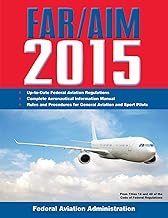
Essential Pilot Resource: FAR/AIM (Federal Aviation Regulations/AIM) Manual

Essential Pilot Resource: FAR/AIM (Federal Aviation Regulations/AIM) Manual

ASA

4.4 (132 reviews)
  • Combines Federal Aviation Regulations and Aeronautical Information Manual
  • Crucial reference for all U.S. pilots and aviation students
  • Contains up-to-date rules, procedures, and safety information
  • Mandatory resource for test preparation and operational compliance
07
Drones For Dummies: Complete Beginner's Guide to UAVs

Drones For Dummies: Complete Beginner's Guide to UAVs

For Dummies

4.1 (297 reviews)
  • In-depth guide to operating, maintaining, and understanding UAVs
  • Covers essential drone electronics and flight principles
  • Includes information on FAA regulations and safe flying practices
  • Perfect for hobbyists and professionals entering the drone sector
08
Arduino Project Handbook Vol. 2: 25 Simple Electronics Builds

Arduino Project Handbook Vol. 2: 25 Simple Electronics Builds

No Starch Press

4.6 (110 reviews)
  • 25 practical electronics projects using the Arduino platform
  • Focuses on hands-on application of coding and hardware integration
  • Ideal for developing skills in embedded systems and sensor technology
  • Relevant for aviation enthusiasts interested in custom flight instruments
09
Network Security Monitoring: Incident Detection and Response Guide

Network Security Monitoring: Incident Detection and Response Guide

No Starch Press

4.6 (178 reviews)
  • Detailed guide to network security, vital for modern aviation infrastructure
  • Covers incident detection, response, and forensic analysis
  • Practical strategies for securing complex electronic environments
  • Essential for professionals in aviation IT and cybersecurity roles

How to Choose the Best Aviation Electronics

Quality & Durability

For physical resources like pilot logbooks or quick reference checklists, durability is key. Look for laminated or heavily bound materials like the ASA Standard Pilot Log to withstand frequent cockpit use and temperature changes. For electronic learning resources, quality translates to content accuracy and organization. Ensure technical books, such as those covering practical electronics or network security, are published by reputable sources and feature current, verifiable information. In aviation, reliability is non-negotiable; your supporting materials must be able to endure the operational environment and provide error-free data when you need it most.

Key Features to Look For

When selecting foundational electronics texts, ensure they offer a strong balance between theoretical understanding and practical application (e.g., 'Make: Electronics: Learning Through Discovery'). For regulatory materials like the FAR/AIM, the key feature is currency—confirm the publication year is the most recent available to ensure compliance with FAA standards. Pilot-specific aids must prioritize clarity and accessibility; Quick Reference Checklists should be color-coded and logically ordered for high-stress situations. For general electronics resources, look for ample project examples and comprehensive component coverage.

Price & Value

Aviation resources range widely in price, but value should be assessed based on necessity and longevity. Essential tools like the Standard Pilot Logbook or the FAR/AIM offer high value due to their mandatory nature and frequent use, making even a small investment crucial. Advanced technical books on electronics or security monitoring (e.g., 'The Practice of Network Security Monitoring') represent an investment in professional development. Consider the cost-per-use and how quickly the information will become outdated. High-quality foundational texts on electronics offer exceptional long-term value because the underlying principles remain constant.

Brand & Warranty

In aviation, reputable brands like ASA (Aviation Supplies & Academics) are trusted for their commitment to accuracy and regulatory compliance, particularly for flight manuals and logbooks. For general electronics learning, publishers known for clear, technical accuracy, such as McGraw Hill or No Starch Press, are preferred. While books and checklists typically don't carry a warranty, the reputation of the publisher acts as a guarantee of quality control and correctness. Always choose established brands in the aviation sphere to ensure the material you are relying on meets professional standards.

Frequently Asked Questions

What are the best aviation electronics in 2025?

The 'best' aviation electronics in 2025 include both modern avionics hardware and essential supporting resources. Top picks focus on reliable data, compliance, and foundational knowledge. Key resources like the Standard Pilot Log and up-to-date FAR/AIM manuals are mandatory. For underlying electronic knowledge, books like 'Practical Electronics for Inventors' are highly rated for building relevant technical skills.

How do I choose the right aviation electronics?

Choosing the right resources depends on your specific needs: compliance, training, or hobby. Pilots need current FAR/AIM and a certified logbook. Trainees benefit from practical, project-based electronics texts like 'Make: Electronics' to understand how avionics function. Always prioritize accuracy, durability, and ensure any regulatory material is the latest edition available for compliance.

Are expensive aviation electronics worth it?

While some essential items like logbooks are inexpensive, high-end avionics hardware or comprehensive technical guides can be costly. They are generally worth the investment if they enhance safety, efficiency, or career advancement. For learning, a slightly higher-priced, well-reviewed book (like those on Arduino or Network Security) offers greater long-term value than a free, outdated resource.

What features should I look for?

Look for features that enhance usability and reliability. For checklists, lamination and clear organization are crucial. For learning resources, seek hands-on projects, clear schematics, and comprehensive indexing. In all aviation-related resources, regulatory adherence and proven accuracy are the most critical features to ensure safe and legal operation.

How long do aviation electronics typically last?

Physical pilot resources like logbooks last until filled (potentially years), and checklists are durable for heavy use. Regulatory manuals (like the FAR/AIM) need annual replacement to remain current. Foundational electronics knowledge books, however, can last a lifetime, as the core principles of circuits and microcontrollers taught in books like 'Electronics for Beginners' remain largely unchanged.

Final Thoughts

Equipping yourself with the right aviation electronics—be they sophisticated instruments or the foundational knowledge contained in technical manuals—is vital for safety and success in the aerospace domain. Our review highlights the crucial blend of practical resources like the Standard Pilot Log and specialized safety tools like the Robinson 22 Checklist, alongside powerful learning materials like 'Practical Electronics for Inventors' and the 'Arduino Project Handbook.' These resources collectively provide the technical depth and regulatory compliance necessary for modern aviation. Ultimately, the best choice depends on your role: pilots must prioritize the latest regulatory guides (FAR/AIM), while those interested in avionic systems will gain immense value from the hands-on electronics books. We encourage you to utilize these top-rated products to enhance your knowledge base and operational effectiveness. By investing in these essential aviation electronics and resources, you are investing directly in your safety and professional longevity in the sky. Choose wisely, stay current, and fly safe.