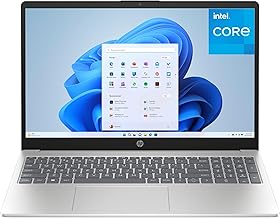
HP 15.6" FHD Laptop: Intel Quad-Core, 16GB RAM, 256GB SSD, WiFi 6 & Windows 11
HP
- 15.6“ FHD (Full High Definition) Display
- Intel 4-Core Processor and 16GB DDR4 RAM
- Fast 256GB PCIe SSD Storage
- Next-Gen WiFi 6 and Bluetooth 5.3 Connectivity
TOP 10 BEST LAPTOP COMPUTERS
Discover the best laptop computers of 2025. Expert reviews, comparisons, and buying tips to help you choose the perfect laptop computers.
In today’s fast-paced digital world, a reliable laptop computer is no longer a luxury—it's a necessity. Whether you’re a student tackling complex assignments, a remote professional managing global projects, or a creative enthusiast editing high-resolution media, the right machine ensures seamless productivity and entertainment. The market in 2025 offers an incredible range of devices, from ultra-portable notebooks designed for mobility to powerful workstations built for demanding tasks. Choosing the best laptop involves balancing performance specifications, display quality, battery life, and overall design aesthetics.
Our comprehensive guide cuts through the noise, presenting the top-rated laptop computers available today. We examine powerful contenders like the Apple MacBook Air with the revolutionary M4 chip, robust business machines such as the Dell Inspiron 15, and budget-friendly powerhouses like the HP and Lenovo models featuring ample RAM and speedy SSDs. A great laptop should offer exceptional responsiveness, vivid displays, and connectivity options like Wi-Fi 6 and USB-C to future-proof your investment.
To help you make an informed decision, we’ve analyzed the key features of the top 10 laptop computers, focusing on crucial components like processors (Intel Core i5, AMD Ryzen, Apple M4), memory (RAM), storage (SSD), and operating systems (Windows 11, macOS). Read on to find the perfect laptop computer that meets your specific needs and budget, ensuring you get maximum value and performance for years to come.

HP

Lenovo

HP

HP

Apple

HP

Dell

HP

SGIN

HP
A laptop’s construction quality significantly impacts its lifespan and portability. Look for models with metal chassis (aluminum or magnesium alloy) for better heat dissipation and structural integrity, especially if you travel frequently. For rugged use, consider business-class laptops known for passing military-grade durability tests. Screen hinge quality is also crucial, as it’s a common failure point. Check user reviews for comments on build materials and long-term wear. Durability often correlates with a higher initial cost, but it saves money on repairs and replacement in the long run, making the investment worthwhile for daily drivers.
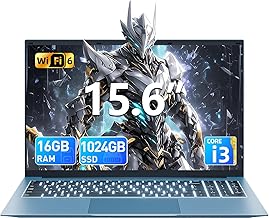
The core components dictate performance. Aim for a minimum of 8GB of RAM, but 16GB or 32GB (as seen in the Lenovo model) is ideal for heavy multitasking and creative work. Prioritize Solid State Drives (SSD) over traditional hard drives (HDD) for lightning-fast boot times and application loading; PCIe NVMe SSDs are the fastest. The processor (CPU) should be a modern Intel Core i5/i7 (13th Gen or newer), AMD Ryzen 5/7, or the powerful Apple M-series chip. Also, ensure the laptop has modern connectivity like Wi-Fi 6 and versatile USB-C/Thunderbolt ports for future compatibility.
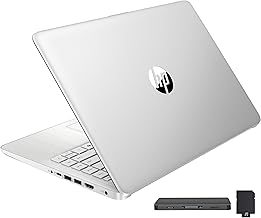
Laptop pricing varies widely, from budget-friendly options under USD400 to high-end workstations exceeding USD1000. Determine your primary use case: basic web browsing and email require less power (e.g., the HP 14 at USD171.68), while gaming or video editing demands premium components. Calculate the total value by factoring in included software (like Microsoft 365, as offered by some HP models) and the expected lifespan of the device. Sometimes, spending slightly more for better RAM or CPU prevents the need for an upgrade sooner, offering better long-term value.
Reputable brands like Apple, Dell, HP, and Lenovo consistently deliver reliable hardware and software support. Investigate the manufacturer's warranty policies; standard coverage is usually one year, but some offer extended plans or better accidental damage protection. Customer service reputation is vital, especially when dealing with technical issues. Products like the Apple MacBook Air (B0DZD9S5GC) are known for excellent post-sale support, while business laptops like the Dell Inspiron 15 (B0FR9KVFQQ) often include specialized professional service options.
The best laptop in 2025 depends on your needs. For power users and creatives, the Apple MacBook Air with the M4 chip (B0DZD9S5GC) offers unmatched efficiency. For Windows users seeking performance, models with 13th Gen Intel Core i5 and 16GB RAM, like the HP 17.3 inch Laptop (B0DWMMJS33), are highly recommended. Budget-conscious users should look for models with SSDs and at least 8GB of RAM, such as the HP 15.6 inch Touchscreen (B0DZQCTH92).
Start by identifying your primary tasks: basic use, professional work, or gaming. This determines the required CPU/GPU power. Next, consider portability (screen size 13-14 inches) versus workspace (15-17 inches). Ensure sufficient RAM (16GB is ideal) and fast storage (SSD). Finally, set a budget and prioritize features that directly impact your workflow, such as a high-resolution display or a dedicated numeric keypad.
For certain users, yes. Expensive laptops typically feature premium build materials, cutting-edge processors (like M4 or high-end Core i7), and superior displays, leading to better longevity and performance for demanding tasks like 3D rendering or high-resolution video editing. If your work generates revenue, the efficiency gains from a high-end machine easily justify the cost. However, for general use, mid-range options provide excellent value.
Key features include an SSD for speed, at least 16GB of RAM for smooth multitasking, and a modern processor (Intel 13th Gen, AMD Ryzen 7000 series, or Apple M-series). Connectivity is also essential: look for Wi-Fi 6, USB-C/Thunderbolt, and biometric security like Touch ID. For comfort, a backlit keyboard and a high-resolution, bright display are significant advantages, especially for prolonged use.
Most modern laptop computers have a functional lifespan of about 3 to 5 years before hardware components significantly lag behind software demands. Premium models, especially those with robust build quality and high-end specs, can often last 5 to 7 years. Battery degradation is usually the first major issue; choosing a model with a larger capacity battery (like the SGIN 53.2WH) can help extend its overall useful life.
Selecting the right laptop computer in 2025 requires careful consideration of performance, portability, and value. Our analysis highlights exceptional devices catering to every user type, from the powerful and elegant Apple MacBook Air (B0DZD9S5GC) to the robust, high-capacity Lenovo Business Laptop (B0FZSXX51M) offering 32GB of RAM and a 1TB SSD. Whether you prioritize a large screen for media consumption, like the HP 17.3-inch models, or seek the speed of a Dell Inspiron for professional multitasking, there is a perfect match within this top ten list. Remember to match specifications—especially RAM and SSD size—to your daily workload to ensure long-term satisfaction. Opting for current generation components like Wi-Fi 6 and 13th Gen Intel processors guarantees future-proof connectivity and performance. The best time to upgrade is now, as these machines are built to handle the demands of modern computing. Ready to elevate your productivity and digital experience? Review the detailed specifications of our top-rated laptop computers and click through to secure the device that will be your essential partner for work, study, and entertainment. Don't compromise on quality—your perfect laptop awaits!