TOP 10 COMPUTERS TECHNOLOGY VS

Top Computers Technology Reviewed and Ranked for 2025

Discover the best computers technology of 2025. Expert reviews, comparisons, and buying tips to help you choose the perfect computers technology, from powerful HP laptops and Apple MacBooks to robust Dell desktops.

In today's hyper-connected world, reliable and high-performing computer technology is no longer a luxury—it's a necessity. Whether you are a student needing a portable solution, a professional requiring powerful multi-tasking capabilities, or a creative looking for cutting-edge processing, the right computer defines your productivity and digital experience. The market in 2025 is saturated with incredible advancements, from next-generation AI-enabled processors to ultra-fast SSD storage and high-resolution displays. Choosing the perfect machine requires balancing performance specifications, portability, operating system preference, and budget.

Our comprehensive guide dives deep into the best computers technology available this year, focusing on machines that offer exceptional value, speed, and reliability. We analyze everything from entry-level Chromebooks and budget-friendly Windows laptops to premium, AI-powered notebooks like the HP OmniBook and the revolutionary Apple MacBook Air M4 series. We've curated a list of top performers, ensuring you find a device that meets your specific demands for work, study, or entertainment. Key considerations include RAM capacity, processor core count, storage speed (PCIe SSDs are now standard), and connectivity features like WiFi 6 and versatile USB-C ports.

Investing in quality computers technology means securing a long-term tool that can handle future software demands. Stay ahead of the curve by exploring our top picks, which feature the latest operating systems like Windows 11 Home and Chrome OS, combined with robust hardware. From the powerful Dell OptiPlex desktop units designed for intense workflows to sleek, portable laptops from HP and SGIN, your next technological upgrade starts here. Read on to compare features, prices, and find the machine that will elevate your digital life in 2025.

01
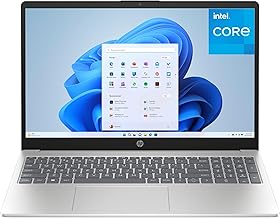
HP 15.6" FHD Laptop: Intel 4-Core, 16GB RAM, 256GB PCIe SSD & WiFi 6

HP 15.6" FHD Laptop: Intel 4-Core, 16GB RAM, 256GB PCIe SSD & WiFi 6

HP

4.4 (1,700 reviews)
  • 15.6” Full HD (FHD) Display for crisp visuals
  • Fast Intel 4-Core Processor with 16GB DDR4 RAM
  • Quick boot-up and load times with 256GB PCIe SSD
  • Modern connectivity including WiFi 6 and Bluetooth 5.3
02
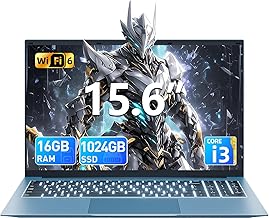
SGIN 15.6" Performance Laptop: Core i3, 16GB RAM, 1TB SSD & WiFi 6

SGIN 15.6" Performance Laptop: Core i3, 16GB RAM, 1TB SSD & WiFi 6

SGIN

4.6 (64 reviews)
  • Massive 16GB RAM and 1024GB (1TB) SSD storage
  • Core i3 CPU boosting up to 3.9GHz for strong performance
  • IPS FHD Display with 180° viewing angle and backlit keyboard
  • Long-lasting 53.2WH Battery and integrated WiFi 6 connectivity
03
Apple MacBook Air 13" (2025): M4 Chip, 16GB Unified Memory, Liquid Retina Display (Midnight)

Apple MacBook Air 13" (2025): M4 Chip, 16GB Unified Memory, Liquid Retina Display (Midnight)

Apple

4.8 (4,324 reviews)
  • Next-generation Apple M4 chip built for Apple Intelligence
  • Stunning 13.6-inch Liquid Retina Display
  • 16GB Unified Memory for seamless multitasking
  • Secure access with Touch ID and 12MP Center Stage Camera
04
Renewed Dell OptiPlex 7020 SFF: 14th Gen Intel i5 (14-Core), 16GB DDR5 RAM, WiFi 6E

Renewed Dell OptiPlex 7020 SFF: 14th Gen Intel i5 (14-Core), 16GB DDR5 RAM, WiFi 6E

Dell

4.0 (4,955 reviews)
  • Powerful 14th Gen Intel 14-Core i5-14500 Processor
  • Blazing fast 16GB DDR5 RAM for intense workloads
  • Compact Small Form Factor (SFF) design
  • Advanced connectivity: WiFi 6E, BT, HDMI, and Type-C
05
Renewed Dell OptiPlex RGB Desktop Bundle: Core i7, 16GB RAM, 512GB SSD + 24" Monitor

Renewed Dell OptiPlex RGB Desktop Bundle: Core i7, 16GB RAM, 512GB SSD + 24" Monitor

Dell

4.0 (342 reviews)
  • High-performance Intel Core i7 Processor
  • Complete bundle: 24 Inch HDMI Monitor, RGB accessories
  • Ample memory and storage: 16GB RAM and 512GB SSD
  • Pre-installed Windows 11 Pro operating system
06
HP 14" Budget Laptop: Celeron N4020, 4GB RAM, Win 11 + 1 Year Microsoft 365

HP 14" Budget Laptop: Celeron N4020, 4GB RAM, Win 11 + 1 Year Microsoft 365

HP

4.1 (4,500 reviews)
  • Includes one year subscription to Microsoft 365
  • Portable design with 14-inch Micro-edge HD Display
  • Efficient Intel Celeron N4020 processor
  • Thin, portable form factor in Snowflake White
07
HP OmniBook 5 AI PC: Intel Ultra 7 (12-Core), 16GB LPDDR5X RAM, 1TB SSD & Touchscreen

HP OmniBook 5 AI PC: Intel Ultra 7 (12-Core), 16GB LPDDR5X RAM, 1TB SSD & Touchscreen

HP

4.5 (175 reviews)
  • Next Gen AI PC featuring Intel 12-Core Ultra 7 255U processor
  • Massive 1TB PCIe SSD and 16GB LPDDR5X RAM
  • Integrated Copilot Key for instant AI access
  • 16" FHD+ Touchscreen Display and Backlit Keyboard
08
HP 14" Chromebook: Celeron N4120, 4GB RAM, Long Battery Life, Chrome OS

HP 14" Chromebook: Celeron N4120, 4GB RAM, Long Battery Life, Chrome OS

HP

4.3 (2,500 reviews)
  • Lightweight and thin design running Chrome OS
  • Intel Celeron N4120 processor for essential tasks
  • 14" HD Display suitable for everyday browsing
  • Excellent long battery life for portability
09
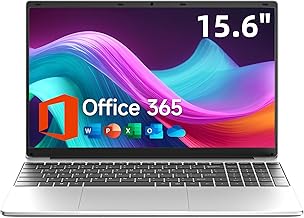
15.6" Student & Business Laptop: 5205U Processor, 128GB Storage, Windows 11 + Office 365

15.6" Student & Business Laptop: 5205U Processor, 128GB Storage, Windows 11 + Office 365

Generic

4.2 (132 reviews)
  • Ideal for students and business use with Numpad
  • Includes Office 365 suite for productivity (License details may vary)
  • 128GB storage expandable up to 1TB
  • HD Display with versatile Type-C port
10
Apple MacBook Air 13" (2025): M4 Chip, 16GB Unified Memory, Liquid Retina Display (Sky Blue)

Apple MacBook Air 13" (2025): M4 Chip, 16GB Unified Memory, Liquid Retina Display (Sky Blue)

Apple

4.8 (576 reviews)
  • Powered by the cutting-edge Apple M4 chip for AI performance
  • Ultra-portable 13-inch design in vibrant Sky Blue finish
  • 16GB Unified Memory and 256GB SSD storage
  • Crystal-clear 13.6-inch Liquid Retina Display

How to Choose the Best Computers Technology

Quality & Durability

A high-quality computer should feature robust construction, such as aluminum or high-grade plastic chassis, to withstand daily wear and tear. Look for laptops with reinforced hinges and spill-resistant keyboards. Durability also relates to internal component quality; PCIe SSDs, for example, offer superior longevity and speed compared to traditional HDDs or eMMC storage. For desktops like the Dell OptiPlex, proper ventilation and solid power supplies ensure internal components, especially high-core CPUs like the Intel i5-14500, operate efficiently for years. Prioritize devices with high review counts and strong average ratings (4.5 stars and above) which often correlate with better build quality.

Key Features to Look For

The most critical features revolve around the processor, RAM, and storage. Aim for a minimum of 8GB RAM for basic use, but 16GB (like in the HP OmniBook or Apple MacBook Air M4) is recommended for intensive multitasking. Storage should ideally be a Solid State Drive (SSD); PCIe SSDs are significantly faster than SATA. In 2025, look for AI-enabled processors (like the M4 chip or Intel Ultra series) for enhanced efficiency. Connectivity is also crucial: ensure the device supports modern standards like WiFi 6 or 6E, Bluetooth 5.3, and versatile ports like USB-C/Thunderbolt for high-speed data transfer and charging.

Price & Value

Price points vary widely, from budget-friendly options around $170 (like the HP Chromebook) to premium devices above $700 (like the MacBook Air). Value is determined by matching the specs to your usage needs. A student primarily using web browsers and word processing can save money with a simpler Celeron/i3 laptop. However, professionals or gamers should invest in Core i7 or M4 processors and ample RAM (16GB+). Renewed options, such as the Dell OptiPlex desktops, can offer powerful specifications (Core i7, 16GB RAM) at a fraction of the cost of a brand-new machine, providing excellent overall value.

Brand & Warranty

Reputable brands like Apple, HP, and Dell generally offer better customer support and longer component lifecycles. Investigate the warranty coverage provided; standard warranties typically last one year, but extended options are often available. Apple’s reputation for unified hardware and software integration means excellent long-term support. For Windows PCs, check brand-specific support channels and driver availability. Choosing a well-known brand ensures access to reliable documentation, genuine replacement parts, and a community of users who can troubleshoot issues effectively, safeguarding your investment.

Frequently Asked Questions

What are the best computers technology in 2025?

The best devices in 2025 prioritize AI capability and speed. Top recommendations include laptops featuring the Apple M4 chip or Intel Ultra 7 processors, offering 16GB LPDDR5X RAM and fast PCIe SSDs. For desktop users, renewed machines like the Dell OptiPlex with 14th Gen Intel i5/i7 cores provide exceptional power for demanding tasks and professional environments.

How do I choose the right computers technology?

Determine your primary usage: basic tasks (web browsing, streaming) require less power (4GB-8GB RAM, Celeron/i3). Professional work, coding, or content creation requires 16GB RAM, fast multi-core processors (i5, i7, or M4), and 512GB+ SSD storage. Also, consider the operating system—Windows 11 offers versatility, while macOS excels in seamless ecosystem integration.

Are expensive computers technology worth it?

Often, yes, if your work demands it. Higher-priced models typically offer superior build quality, cutting-edge processors (like the M4 chip), more RAM, and premium displays (Liquid Retina, FHD+). These investments lead to greater longevity and reduced frustration from slow performance, making them worthwhile for professionals, developers, and creative artists.

What features should I look for?

Key features include minimum 8GB RAM (16GB preferred), fast SSD storage (PCIe is best), modern processors (Intel 12th+ Gen, AMD Ryzen 5+, or Apple M-series), and high-speed wireless connectivity (WiFi 6/6E). For laptops, look for long battery life and a good quality display (FHD or higher).

How long do computers technology typically last?

The lifespan of modern computers generally ranges from 3 to 7 years. Budget models may last closer to 3-4 years before performance significantly degrades. Premium devices with robust processors and ample RAM (like the MacBook Air or high-end HP models) can easily last 5-7 years, often limited only by battery life or shifting software requirements.

Final Thoughts

The 2025 landscape for computers technology offers unprecedented speed and integration, particularly with the rise of AI-focused processors. Whether your priority is portability, raw processing power, or budget, there is a perfect machine available. High-end users will appreciate the seamless integration and performance of the Apple MacBook Air M4 or the power of the HP OmniBook 5 AI PC. Meanwhile, those seeking powerful desktop solutions for the office can rely on the robust Dell OptiPlex series. For balanced performance and value, mid-range laptops like the HP 15.6" or SGIN 15.6" models, offering 16GB RAM and fast SSDs, represent smart investments. Even the budget category offers capable devices, such as the HP 14" Celeron laptops, ideal for students and light daily use. Remember to prioritize specifications that align with your heaviest workload—RAM and SSD speed are often more critical than the sheer core count for everyday responsiveness. Ready to upgrade your digital toolkit? Review our curated list of the best computers technology above and click on the product links to compare the latest prices and detailed specifications. Investing in one of these top-rated devices will ensure you remain productive, entertained, and connected throughout 2025 and beyond.