TOP 10 HEALTHY RELATIONSHIPS VS

Top Resources for Healthy Relationships Reviewed and Ranked for 2025

Discover the best healthy relationships resources of 2025. Expert reviews, comparisons, and buying tips to help you choose the perfect tools for stronger connections. Learn to recognize healthy vs. toxic patterns.

Building and maintaining healthy relationships—whether romantic, familial, or platonic—is fundamental to overall well-being and happiness. In a world increasingly defined by digital interaction, the skills required for deep, meaningful, and face-to-face connection are more critical than ever. A truly healthy relationship is built on mutual respect, trust, open communication, and the recognition of individual boundaries. It's a dynamic partnership where both parties feel safe, supported, and valued.

Choosing the right resources, whether insightful books or practical workbooks, is the first step toward self-improvement and relationship mastery. The best tools offer actionable strategies, helping individuals decode complex relationship dynamics, identify toxic patterns, and cultivate interdependence rather than codependence. These guides provide the framework necessary to transform how you interact, ensuring your relationships are nourishing rather than draining.

This guide reviews the top resources available in 2025 designed to foster stronger, happier, and healthier connections. From mastering Nonviolent Communication to understanding the science of adult attachment, we’ve gathered the definitive collection of books and workbooks that will equip you with the knowledge to thrive in all your interpersonal endeavors. Invest in these tools today and start building the rewarding relationships you deserve.
01
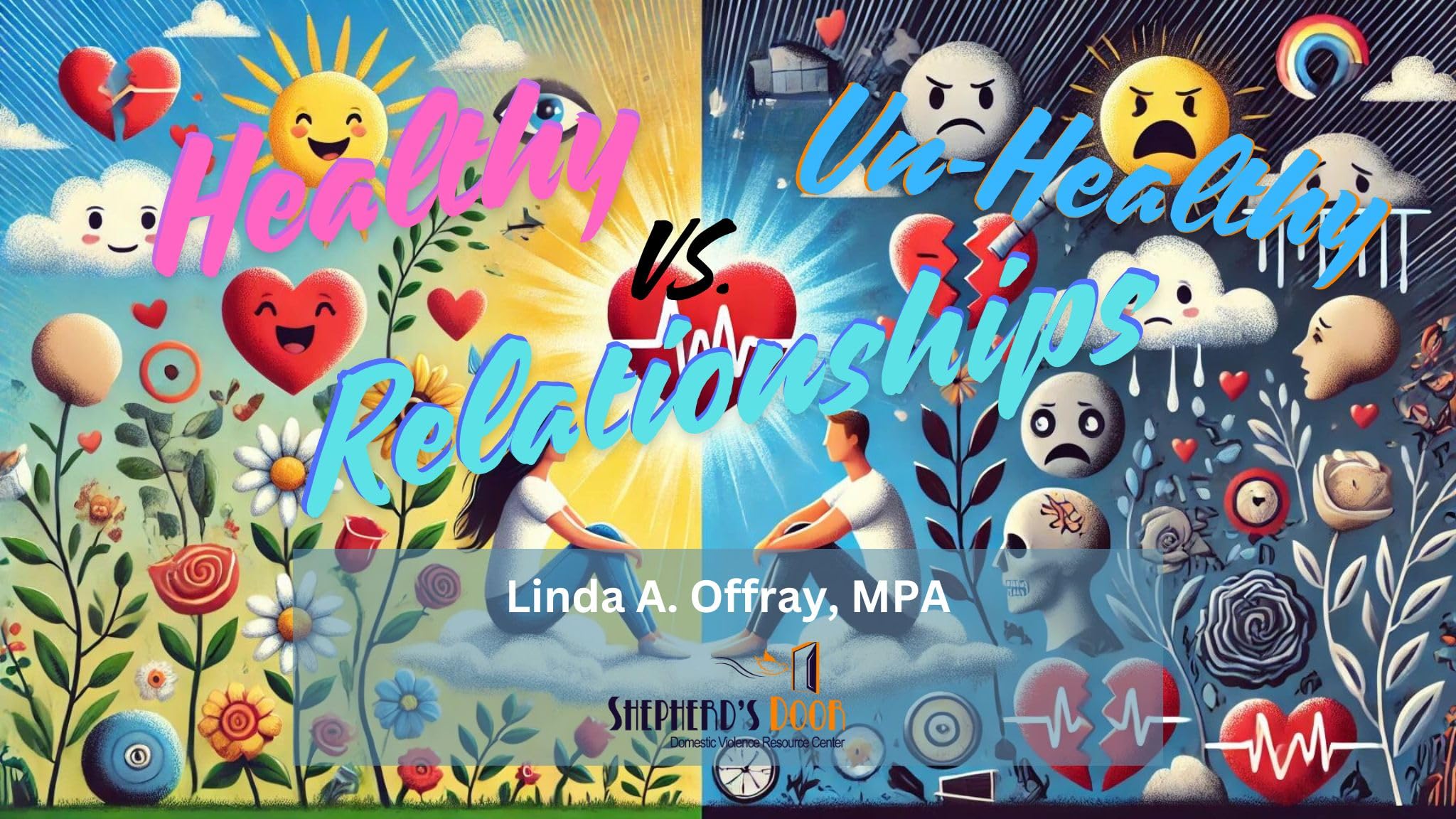
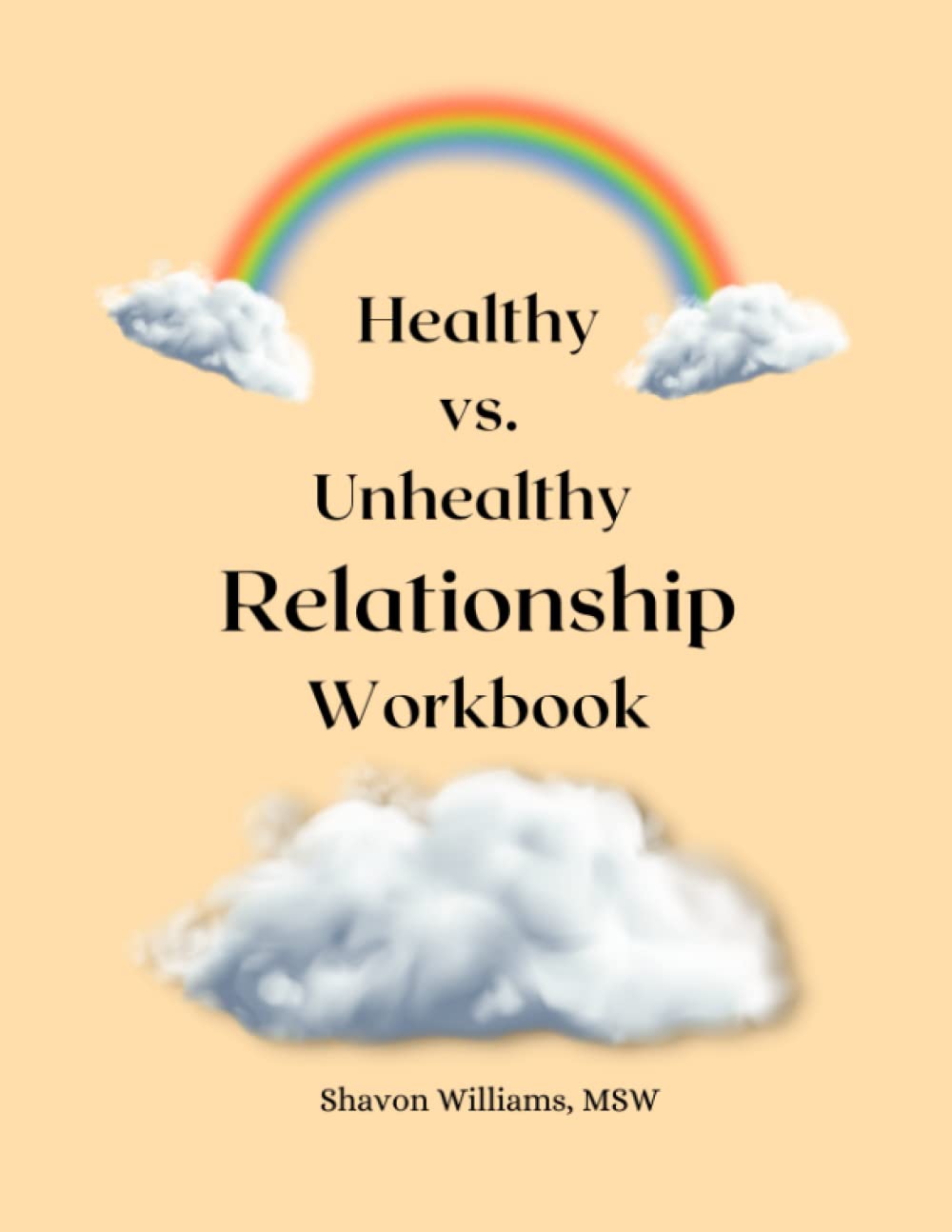
Essential Workbook: Mastering Healthy vs. Unhealthy Relationship Dynamics

Essential Workbook: Mastering Healthy vs. Unhealthy Relationship Dynamics

Unknown

4.0 (3,125 reviews)
  • Interactive exercises for self-reflection
  • Clear differentiation between healthy and unhealthy traits
  • Tools for setting boundaries and communication
  • Applicable to romantic, friendly, and family ties
02
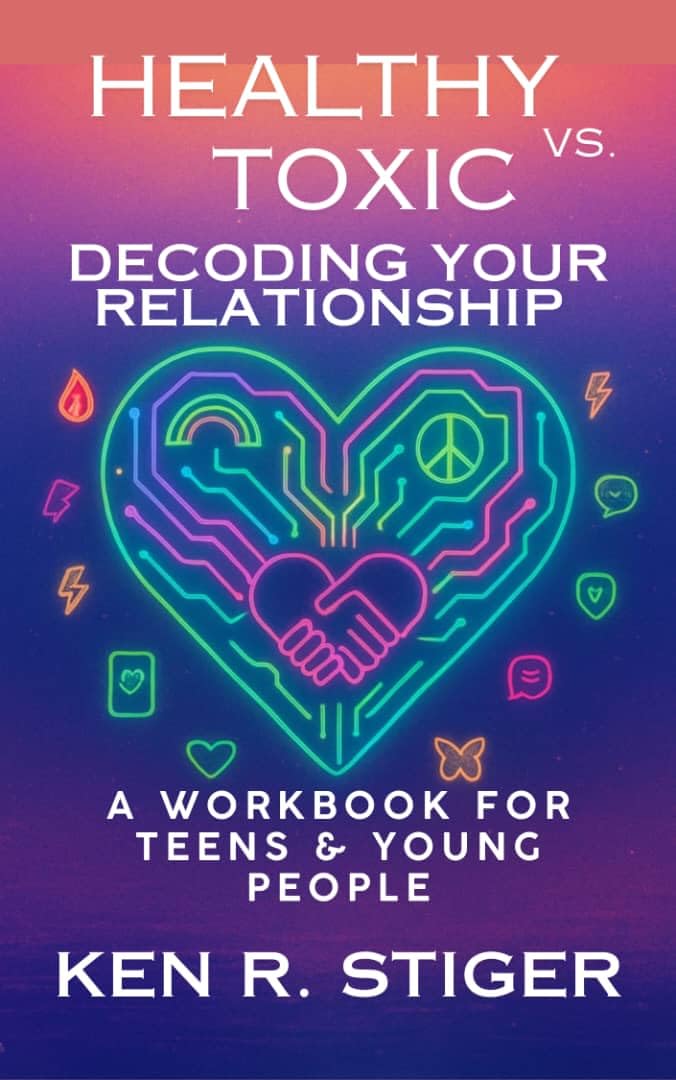
Teen & Young Adult Guide: Decoding Healthy vs. Toxic Relationships

Teen & Young Adult Guide: Decoding Healthy vs. Toxic Relationships

Workbook

4.0 (5,315 reviews)
  • Specifically tailored for adolescent and young adult issues
  • Focuses on identifying toxic behaviors early on
  • Includes sections on digital communication and social media
  • Promotes self-care and emotional awareness in relationships
03
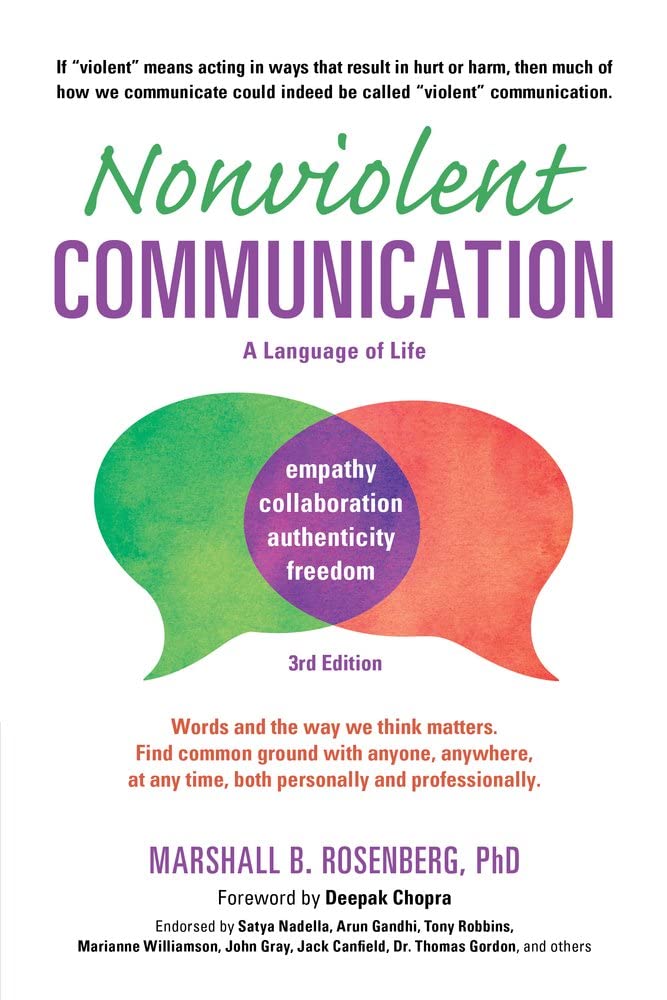
Nonviolent Communication: Transform Your Relationships with Empathy

Nonviolent Communication: Transform Your Relationships with Empathy

Nonviolent Communication Guides

4.7 (5,086 reviews)
  • Teaches conflict resolution through compassionate communication
  • Focuses on expressing needs without blame or judgment
  • Life-changing framework for deeper connection and understanding
  • Highly rated guide for improving marital and family relationships
04
Toltec Wisdom: Unlocking The Seven Secrets to Happy, Lasting Relationships

Toltec Wisdom: Unlocking The Seven Secrets to Happy, Lasting Relationships

Toltec Wisdom Series

4.7 (1,700 reviews)
  • Based on ancient Toltec spiritual teachings
  • Offers actionable steps for emotional freedom
  • Focuses on self-mastery as the key to relational success
  • Quick and insightful read for immediate application
05
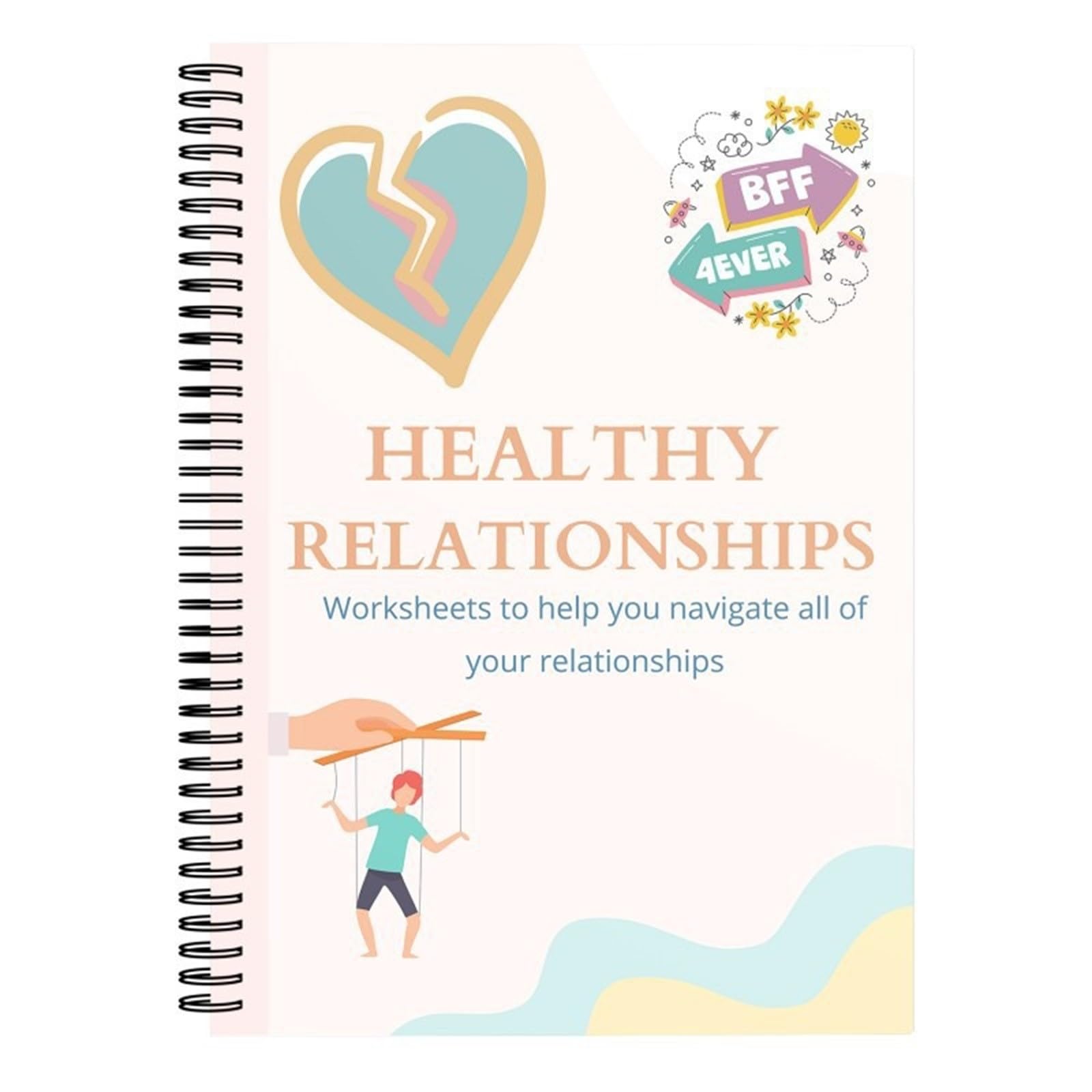
Definitive Guide: Recognizing and Nurturing Healthy Relationships

Definitive Guide: Recognizing and Nurturing Healthy Relationships

Guidebook

4.0 (2,087 reviews)
  • In-depth analysis of positive relationship characteristics
  • Strategies for nurturing mutual growth and trust
  • Practical advice for managing conflict constructively
  • A foundational resource for relationship education
06
Teen Relationship Workbook: Navigating Love, Break Ups, and Self-Care

Teen Relationship Workbook: Navigating Love, Break Ups, and Self-Care

Workbook for Teens

5.0 (4,820 reviews)
  • Dedicated worksheets for processing break-ups and loss
  • Focus on integrating self-care into relational health
  • Clear, teen-friendly language and scenarios
  • Helps develop emotional intelligence and resilience
07
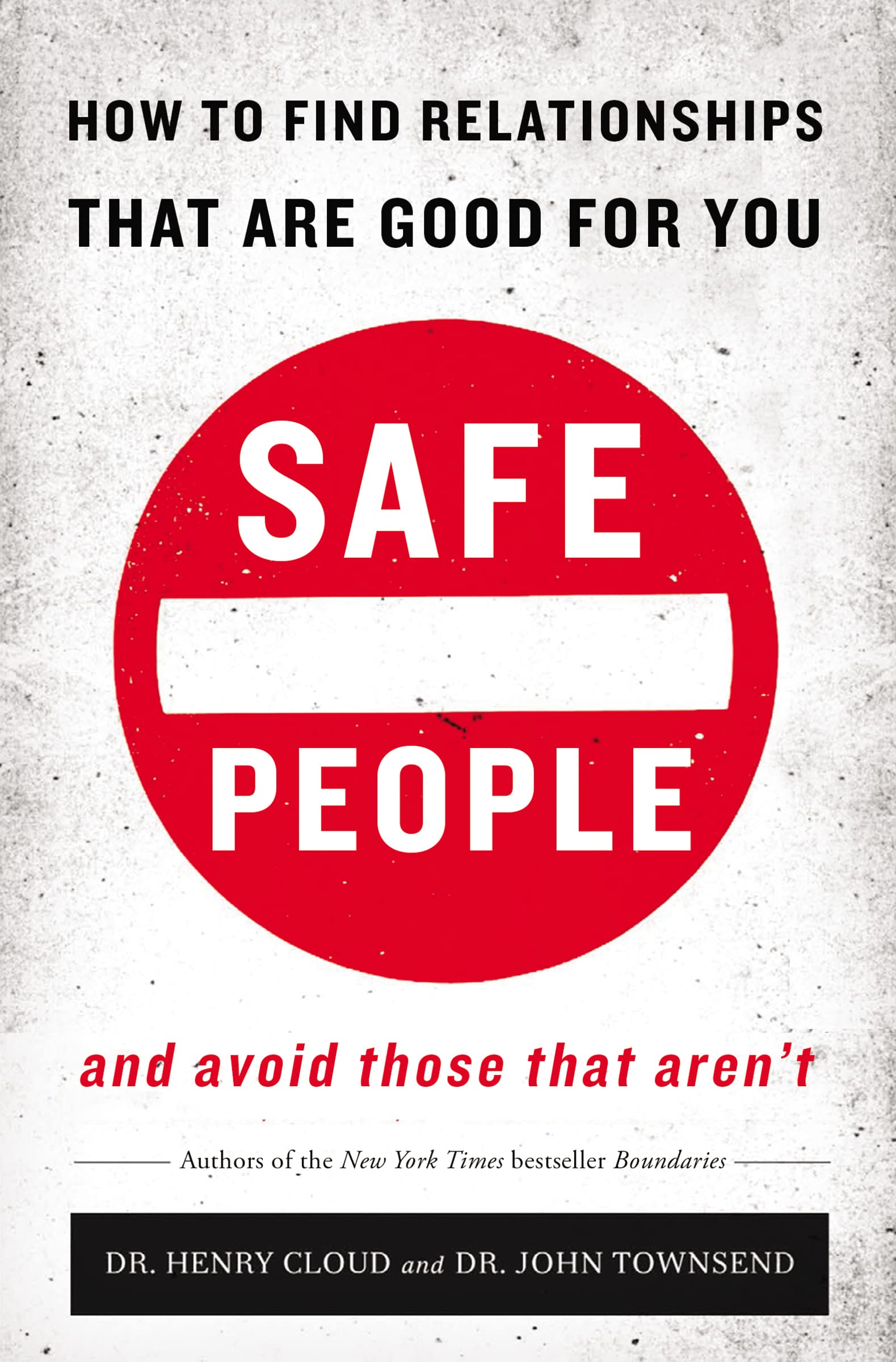
Safe People: The Essential Guide to Finding Emotionally Healthy Connections

Safe People: The Essential Guide to Finding Emotionally Healthy Connections

Book

4.6 (719 reviews)
  • Guides readers in identifying trustworthy and 'safe' individuals
  • Provides clear criteria for recognizing toxic or damaging people
  • Focuses on boundary setting and self-protection
  • Highly recommended for those recovering from difficult relationships
08
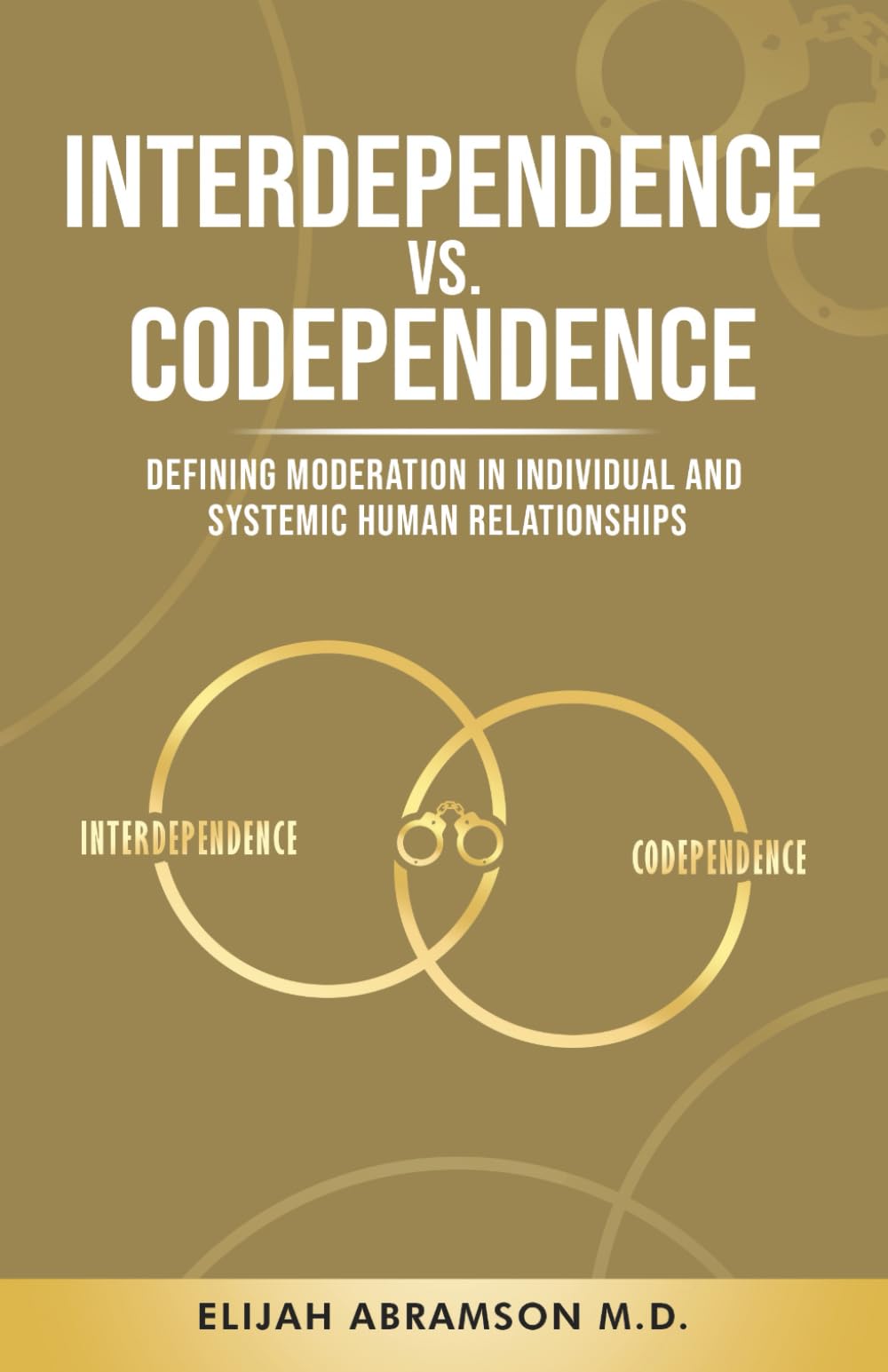
Interdependence vs. Codependence: Mastering Healthy Relational Balance

Interdependence vs. Codependence: Mastering Healthy Relational Balance

Book

4.0 (2,004 reviews)
  • Explores the crucial difference between interdependence and codependence
  • Analyzes systemic relationship patterns in groups and families
  • Provides tools for achieving personal autonomy within a partnership
  • A deep dive into psychological boundaries and maturity
09
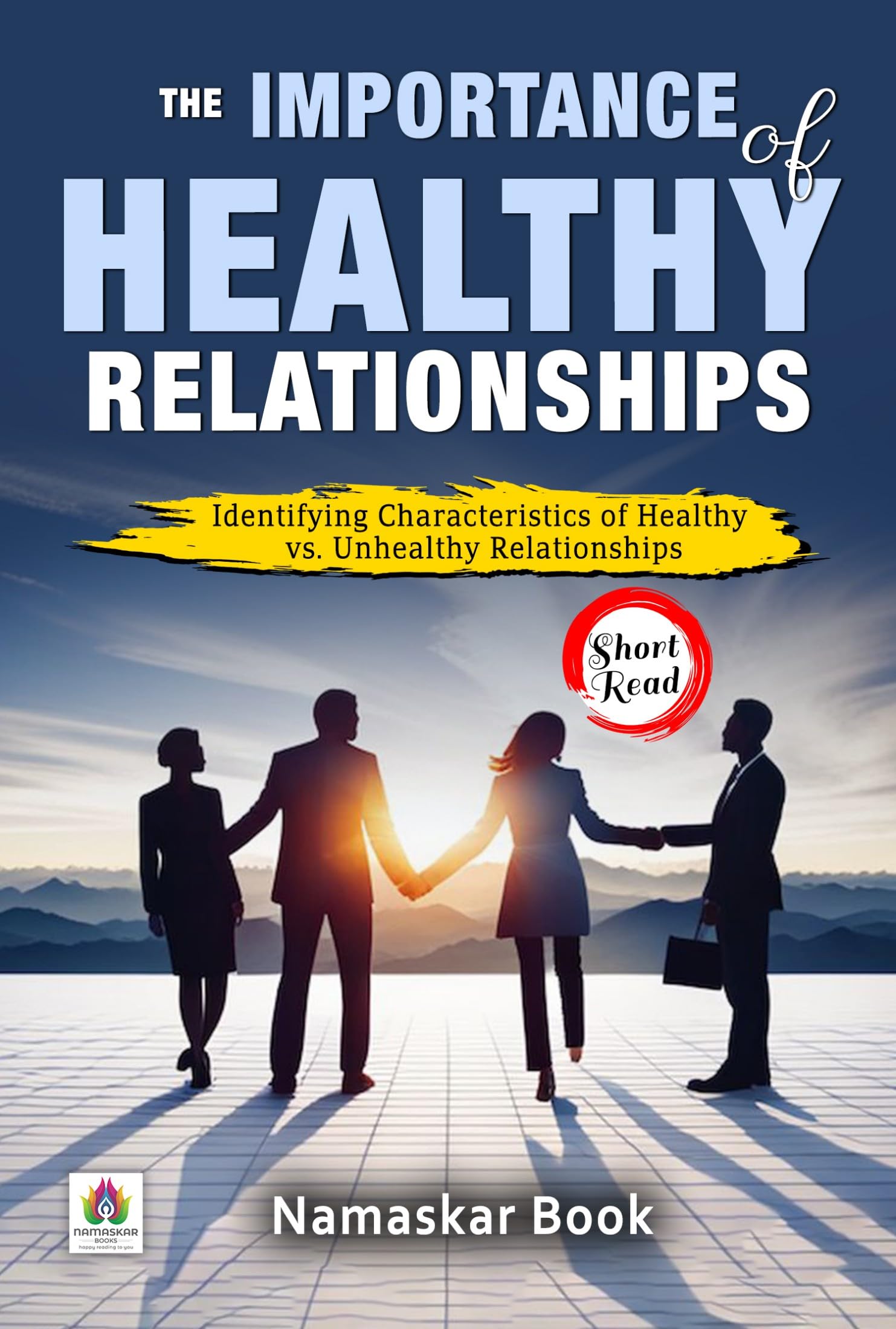
Quick Guide: Identifying Characteristics of Healthy vs. Unhealthy Relationships

Quick Guide: Identifying Characteristics of Healthy vs. Unhealthy Relationships

Guide

4.0 (3,152 reviews)
  • Focuses on the core importance of relational health
  • Simple checklists for identifying key characteristics
  • Useful as a foundational educational resource
  • Concise overview of positive interaction patterns
10
Attached: Using Adult Attachment Science to Find and Keep Love

Attached: Using Adult Attachment Science to Find and Keep Love

Self-Help

4.7 (4,556 reviews)
  • Explains the three main adult attachment styles (Anxious, Avoidant, Secure)
  • Based on cutting-edge psychological and neuroscientific research
  • Provides actionable advice for dating and relationship improvement
  • Essential reading for understanding partner selection and behavior

How to Choose the Best Resources for Healthy Relationships

Quality & Applicability

The quality of a relationship resource lies in its practical applicability. Look for books and workbooks that offer concrete exercises and real-world scenarios, rather than just abstract theory. Resources like the 'Healthy vs. Unhealthy Relationships Workbook' (B0BQ9R2CZT) provide structured methods for self-assessment and skill development. High-quality content should be research-backed, drawing from psychology, communication theory, or credible spiritual wisdom, ensuring the advice is sound and effective. Ensure the language and complexity level match your needs, especially if purchasing for teens or young adults, like the dedicated workbook (B0FW3JKWT1).

Key Features to Look For

Several features distinguish top-tier relationship resources. First, prioritize tools that emphasize communication skills, such as 'Nonviolent Communication' (189200528X), which teaches empathetic language. Second, look for resources that address emotional boundaries and self-worth, crucial for avoiding codependency, as highlighted in 'Interdependence vs. Codependence' (B0FZGRJN7L). Third, consider the format: workbooks provide interactive learning, while comprehensive guides offer deeper theoretical understanding. Finally, search for resources focusing on identifying 'Safe People' (0310345790) and avoiding toxic patterns to safeguard your well-being.

Price & Value

Relationship resources are an investment in your personal and relational future. While some essential guides like 'The Seven Secrets to Healthy, Happy Relationships' (B07BGS7J79) are affordably priced, comprehensive workbooks or specialized texts may cost more. Evaluate the value based on the depth of information and the number of actionable exercises provided. A higher price point is often justified for scientifically-backed books like 'Attached' (1585429139), which offers transformational insights based on adult attachment theory. Look for bundles or digital versions to maximize savings, but prioritize content quality over low cost.

Focus Area & Target Audience

The ideal choice depends heavily on your specific needs. Are you looking to improve romantic relationships? Then attachment theory resources are ideal. Are you focused on foundational skills for a younger person? Teen-specific workbooks (B0FDFSHQDL) are best. If conflict resolution is your main challenge, focus on communication guides. Check the resource’s focus area—whether it addresses general relationship health, specific toxic patterns, or psychological frameworks. Choosing a resource tailored to your current stage of life and relational challenges ensures maximum relevance and impact.

Frequently Asked Questions

What are the best healthy relationships resources in 2025?

The top resources in 2025 emphasize practical application and psychological depth. Highly recommended titles include 'Attached' for understanding attachment styles, 'Nonviolent Communication' for improving dialogue, and specialized workbooks like the 'Healthy vs. Unhealthy Relationships Workbook' (B0BQ9R2CZT) for hands-on skill development and self-assessment in various relational contexts.

How do I choose the right healthy relationships resource?

Identify your primary goal. If you struggle with boundary setting, choose a book like 'Safe People.' If you want to understand why you choose certain partners, 'Attached' is key. For general skill building and identifying red flags, a workbook focused on 'Healthy vs. Unhealthy Relationships' is the best starting point. Always check the book's reviews and the author's credibility.

Are expensive healthy relationships books worth it?

Often, yes. Higher-priced resources, particularly those based on extensive clinical research or offering detailed, interactive workbooks, provide greater long-term value. Investing in definitive guides like those that differentiate between codependence and interdependence (B0FZGRJN7L) can save significant time and emotional distress compared to lower-quality, superficial guides.

What features should I look for?

Look for resources that include clear definitions of boundaries, practical communication scripts, and exercises for self-reflection. Key features include an emphasis on emotional regulation, conflict resolution techniques, and a framework for understanding healthy independence within a partnership. Teen resources should also focus heavily on self-care and digital relationship dynamics.

How long do healthy relationship skills typically take to develop?

Developing healthy relationship skills is a lifelong process, but noticeable improvements can often be seen within 6-12 weeks of dedicated practice. Consistency is key; using interactive tools like the workbooks multiple times a week helps solidify new communication habits and emotional responses, leading to stronger, more resilient connections over time.

Final Thoughts

Cultivating healthy relationships is perhaps the most rewarding investment you can make. The tools reviewed here—from the foundational clarity of the 'Healthy vs. Unhealthy Relationships Workbook' to the psychological insights of 'Attached'—provide the essential knowledge base for transforming your interactions and ensuring long-term relational happiness. By focusing on critical skills like Nonviolent Communication and understanding the dynamics of interdependence, you move away from toxic patterns and toward authentic, supportive connections. We highly recommend starting with a foundational text that helps you identify core issues, such as 'Safe People,' and then moving into a practical workbook for developing new skills. Don't wait for relationship crises to seek knowledge; proactive learning is the best defense against relational distress. Take the first step today: select the resource that speaks most directly to your current challenges and commit to the practice of building better connections. Your future relationships depend on it.